
When a manufacturer decides to add robotics, the engineering challenge isn't acquiring the robot, it's integrating it. Into the existing control architecture. Into the production schedule. Into the safety envelope. Into the data infrastructure the plant is building. That's what an experienced robotics integrator does, and it's what separates a successful deployment from an expensive problem.
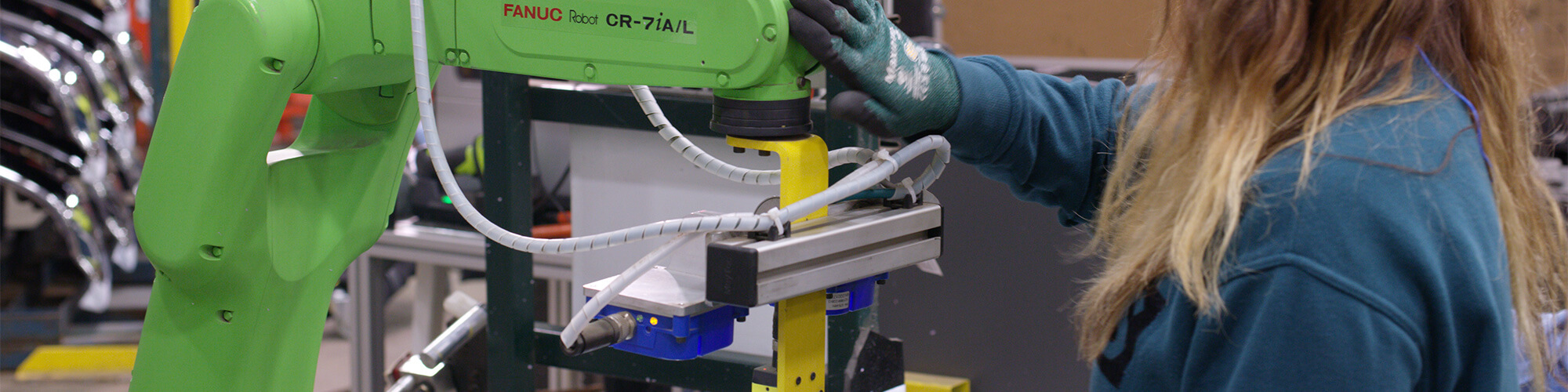
Patti integrates the full range of industrial robot types, matched to application requirements:
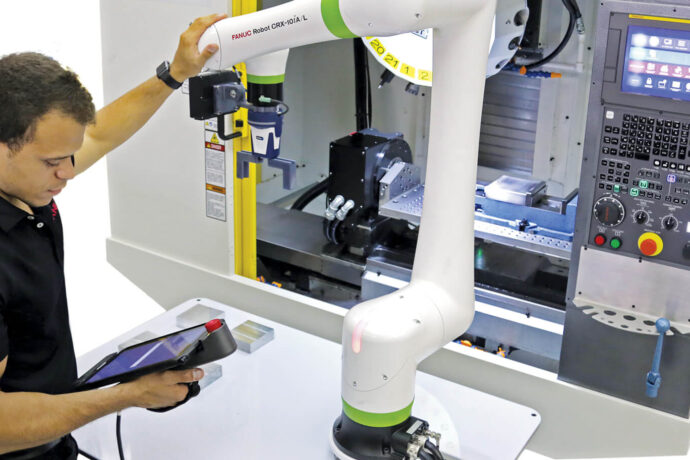
As a FANUC Authorized System Integrator, Patti works with the full FANUC robot line, including the CR series collaborative robots, the LR Mate compact models, and high-payload M-series arms. FANUC authorization means factory-certified training, access to FANUC simulation tools, and direct OEM technical support.
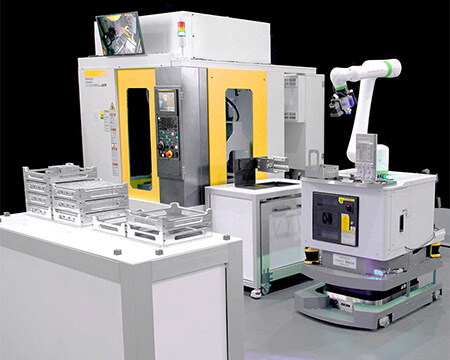
Integration of various industrial robots, including articulated, SCARA, delta, and collaborative robots, ensuring compatibility with different industrial setups.
Developing tailored robotic systems, considering specific industrial requirements, such as payload handling, operating conditions, and space constraints.
Addressing ambient temperature ranges, moisture and humidity resilience (as indicated by Ingress Protection Ratings), and adaptability to specific environments like acidic, alkaline, or high-temperature conditions.
Calculating optimal payload capacities, including safety factors, and designing for specific reach requirements and work envelopes.
Advising on the best choice based on safety requirements, speed and risk considerations, environmental constraints, and payload requirements.
Provision of various EOAT options like grippers, welding torches, sensors, and suction cups, powered by electricity, hydraulics, or pneumatics, based on application specificity.
Conducting thorough safety risk assessments in line with ANSI and other relevant standards to ensure complete safety of the robotic system in its operational environment.
Advising on system lifespan, predictive maintenance, and ensuring return on investment considerations are met, including aspects like throughput enhancement and raw material utilization.
Expert guidance in installation processes with minimal operational downtime, leveraging robotic simulation tools for efficient commissioning.
The technical decisions that determine whether a robotics integration succeeds happen before a robot is ordered. Patti’s process addresses each one:
Application and payload analysis — Matching robot specifications to actual task demands: payload capacity including tooling weight, reach envelope, cycle time requirements, and duty cycle. Getting this wrong at the start costs significantly more to fix later.
Cell design and simulation — Using FANUC RoboGuide and Siemens Process Simulate, Patti builds a virtual model of the robot cell before physical implementation. Interference checks, cycle time optimization, and safety zone validation happen in simulation, reducing commissioning time and eliminating most startup surprises.
Safety system engineering — Every integration includes a thorough risk assessment in line with ANSI/RIA R15.06 and applicable ISO standards. Safety systems are engineered into the cell design, not added after the fact.
Control system integration — Robots don’t operate in isolation. Patti connects every robotic system to the plant’s existing PLC architecture and, where applicable, to SCADA systems and the broader data infrastructure. The robot becomes part of the plant’s intelligence layer, not a standalone island.
Patti holds a combination of credentials most integrators don’t: FANUC Authorized System Integrator, CSIA Certified (8 consecutive certifications), Siemens Solution Partner, and Ignition Gold Integrator. For robotics work, the credentials that matter most are FANUC authorization and CSIA certification.
FANUC authorization means factory-certified training on the full robot line and direct access to FANUC’s simulation tools and technical support. CSIA certification, earned through third-party audit of project management practices, financial stability, and technical quality standards, is the control systems industry’s most rigorous credential.
Robotics integration doesn’t happen in a vacuum. The strongest deployments connect robotic systems to the plant’s broader automation and data infrastructure, feeding real-time production data into SCADA platforms, integrating with existing PLCs, and contributing to the Industry 4.0 visibility layer operations leaders are building.
Patti’s cross-discipline expertise means robotics work connects to control systems integration and data analytics from the start. The system you commission today supports the plant intelligence you’re working toward.

What is a robotics integrator?
A robotics integrator is an engineering firm that designs, programs, and commissions robotic systems for industrial applications, connecting robots to a facility’s specific processes, control systems, and safety requirements. The integrator handles the full scope from assessment through startup and support; the robot OEM supplies the hardware.
How do I know if my application is a good fit for robotics?
Strong candidates share common characteristics: high repetition, ergonomic strain risk, quality variation driven by human fatigue, or cycle time requirements that exceed what manual labor can sustain. Patti’s assessment process evaluates fit before any commitment to equipment, if robotics isn’t the right answer, we’ll tell you.
What’s the difference between a cobot and an industrial robot?
Industrial robots are optimized for speed, payload, and repeatability in isolated cells. Collaborative robots operate safely alongside humans without full safety fencing, prioritizing flexibility and proximity. The right choice depends on your application, workforce proximity requirements, and how frequently the cell needs to be reconfigured.
How does Patti handle integration with existing control systems?
Patti integrates robotic systems with existing PLCs, SCADA platforms, and data infrastructure as standard practice. New robotics work connects to the plant architecture you already have, it doesn’t create a control system silo.
What certifications should I look for in a robotics integrator?
FANUC Authorized System Integrator status and CSIA certification are the primary signals for manufacturing robotics work. CSIA certification involves third-party audit of business practices and technical quality, not just technical training. Multi-platform credentials (Siemens, Ignition) are relevant when the plant runs mixed control environments.
Ready to evaluate robotics integration for your operation? Contact Patti Engineering to discuss your application, we'll assess fit, scope the integration requirements, and give you a realistic picture of what successful deployment looks like.

Take the first step towards optimizing your business operations and staying ahead of the competition.