
What Is a FANUC Authorized System Integrator, and Why It Matters for Your Project
If you’re evaluating integrators for a FANUC robotics project, you’ve probably seen “FANUC Authorized System Integrator” on firm profiles and proposals. But what does that credential actually mean, and how much should it factor into your decision? According to the International Federation of Robotics, 542,000 industrial robots were installed worldwide in 2024, more than double the annual number installed 10 years earlier.
The credential indicates technical capability and a formal FANUC relationship; it doesn’t guarantee industry-specific expertise or experience with your specific application type. Here’s what it covers and what it doesn’t, and how to think through what matters beyond the designation itself.
What FANUC Authorization Actually Means
FANUC’s Authorized System Integrator program is a formal designation, not a self-certification. To become authorized, a firm must apply to FANUC, meet technical and business criteria, and maintain an ongoing relationship that includes training, project activity, and accountability requirements. Authorization isn’t a one-time event. Firms that don’t remain active in the program can lose the designation.
This matters because not every firm that works with FANUC robots is authorized. A company can buy and install FANUC equipment without being an authorized integrator. The authorization specifically identifies firms that FANUC has vetted, maintains a relationship with, and lists in its official partner directory.
The Application and Evaluation Process
FANUC evaluates integrators on technical capability, business criteria, and ongoing activity in FANUC projects. The review involves FANUC’s distributor and partner organization, not just a paperwork application. The result is a vetted partner network rather than an open directory.
What the Credential Covers
Holding FANUC Authorized System Integrator status gives a firm:
- Direct FANUC technical support access: Authorized integrators can engage FANUC’s engineering and support teams through the partner channel, not just standard customer service
- Eligibility to resell FANUC equipment: Authorized integrators can source and sell FANUC robots, controllers, and components as part of integration projects
- Access to FANUC training and early product information: Technical training, certifications, and new product access before general availability
- Listing in FANUC’s official integrator directory: Buyers searching FANUC’ own resources find authorized integrators specifically
What it doesn’t guarantee: industry-specific application depth, experience with your legacy control environment, or proficiency on specific robot types beyond the general FANUC product line.
What Differentiates Authorized Integrators
Authorization establishes a baseline. Within that group, the differences are real.
Technical Depth vs. Basic Compliance
An authorized integrator has met FANUC’s criteria. That doesn’t distinguish between a firm that primarily does simple pick-and-place installations and one that handles complex vision-guided, multi-robot, safety-certified systems. Beyond the credential, ask: What types of FANUC applications have they built? What’s their experience with the specific robot models you’re running? As reported by the Association for Advancing Automation, collaborative robots represented 28.6% of North American robot orders during the fourth quarter of 2025.
Firm-level authorization is also distinct from individual technical certifications. The strongest integrator profiles combine both: the firm holds FANUC authorized status, and the engineers and programmers leading the project hold FANUC application and programming certifications relevant to the robot lines involved.
Industry Experience Within the Credential
A FANUC authorized integrator with deep automotive experience brings different pattern recognition than one that primarily works in food and beverage or semiconductor facilities. The integration challenges, safety standards, and system architecture norms vary significantly by industry, and they affect how projects are scoped, commissioned, and handed off.
Cross-industry FANUC experience develops a broader diagnostic reference base. Firms that have worked across automotive, pharmaceutical, food and beverage, and semiconductor environments have seen a wider range of edge cases and environment-specific constraints.
Why Manufacturers Specify FANUC Authorized Integrators
Risk Reduction on Complex Projects
FANUC authorized integrators have direct access to FANUC’s technical organization through the partner channel. When a project runs into a controller or software-level issue, an authorized integrator can escalate directly. On a tight production timeline, that access difference matters. As robotics adoption continues to grow, access to technical support and experienced integration partners is becoming increasingly important. Based on data from the Association for Advancing Automation, North American companies ordered 36,766 robots valued at approximately $2.25 billion in 2025, representing a 6.6% increase in units over 2024.
Authorization also creates an accountability structure that working with an uncredentialed firm doesn’t. An authorized integrator’s relationship with FANUC is ongoing. Project quality and customer outcomes are visible to FANUC in ways that matter to the integrator’s continued status.
Support and Warranty Alignment
Work performed by authorized integrators aligns more cleanly with FANUC’s warranty and support structure. Modifications or installations performed outside the authorized partner channel can create ambiguity in warranty coverage, particularly for new installations and significant system modifications. For manufacturers who want their FANUC investment to remain under clear warranty coverage, the authorized status question is worth asking explicitly.
What to Ask a FANUC Authorized System Integrator Before Hiring
The credential is a starting point. The conversation goes further:
Which FANUC robot models have you worked with extensively?
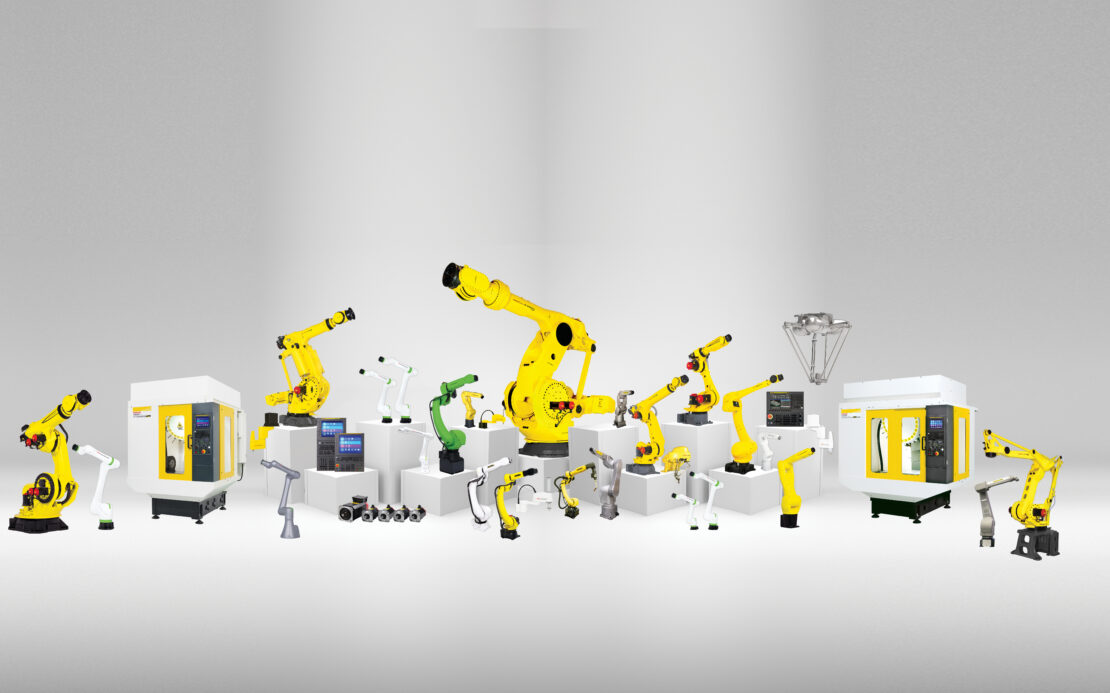
FANUC has broad product lines: payload classes, collaborative models, specialty robots. Experience with the specific model you’re deploying matters.
What industry do most of your FANUC projects come from?
Familiarity with your sector means knowing its safety standards, system architecture conventions, and common integration challenges.
How do you handle FANUC-specific escalations on complex installations?
A clear answer here distinguishes firms with real partner channel access from those with authorization on paper only.
Can you show examples of projects similar to mine?
Credential plus relevant project history is the right combination.
What does your support model look like after commissioning?
Integration is one phase. Production support is another.
FAQs
FANUC’s Authorized System Integrator program is a formal partner designation for companies that design, build, and implement FANUC robot systems. Authorized integrators go through a FANUC evaluation process, meet technical and business criteria, and maintain an ongoing relationship with FANUC. It’s not a self-designation. FANUC vets the list and firms that aren’t active can lose the status.
FANUC maintains an official integrator directory on its website where you can search by location and application type. An authorized integrator should be able to confirm their status in writing. If you’re uncertain, contacting your regional FANUC distributor is the most reliable verification path.
No. Authorization covers the general FANUC product line. Individual firms will have deeper experience in some robot families than others: large payload, delta, collaborative. Ask specifically about experience with the models relevant to your project, not just general FANUC authorization.
“Authorized” refers to the firm’s program status with FANUC. “Certified” more commonly refers to individual programmer or technician certifications that staff members hold on specific FANUC robot lines. The strongest integrator profile combines both: firm-level authorization and individual certifications from the engineers and programmers leading your project.
The case extends beyond new installations. For retrofits, system modifications, and complex service work on existing FANUC systems, the direct support channel access and warranty alignment that comes with authorized status matters as much as it does on new builds.
Work performed by FANUC authorized integrators aligns more cleanly with FANUC’s warranty and support structure. Modifications or installations performed outside the authorized channel can create ambiguity in warranty coverage. For new installations or significant modifications, confirm how the work will be documented relative to your robot’s warranty status before the project starts.
Patti Engineering is a FANUC Authorized System Integrator with hands-on experience across automotive, pharmaceutical, food and beverage, and semiconductor manufacturing. To learn about Patti’s FANUC integration work or discuss a project, visit the FANUC partner page or contact Patti Engineering directly.
Related categories: Blog Control Systems Integration FANUC Robotics Uncategorized